Formats
Lip balm vs lip mask: what dry, chapped lips need and how to build a lip care line
Lip balm vs lip mask: how each helps dry, chapped lips, which ingredients moisturize lips, and how brands build a lip care line with overnight lip masks.

A lip balm is a wax-and-oil product, usually in a stick, that forms a protective layer on the lips to keep moisture in during the day. A lip mask is a thicker, richer product, usually in a jar, applied generously before bed as an overnight lip treatment. Both help with dry, chapped lips; they just work at different times. This guide compares them and shows how a brand can build a lip care line.
What is a lip balm?
A lip balm is a solid blend of waxes, butters and oils that protects the lips and helps them feel moisturized. It is designed to be carried, reapplied often and worn under or instead of lip color.
Most lip balms come as twist-up sticks, small tins or squeeze tubes. The stick format needs a carefully tuned wax ratio, so the balm glides on smoothly, doesn’t snap and doesn’t melt in a pocket. Popular variations include tinted lip balm, SPF lip balm, lanolin lip balm and plant-based or organic lip balm.
What does a lip mask do?
A lip mask is an intensive, leave-on layer that keeps lips moisturized for hours, usually overnight. It is richer and more occlusive than a lip balm and is applied in a thicker coat.
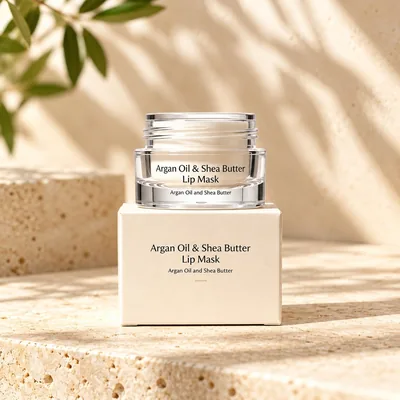
Overnight lip masks often add humectants such as hyaluronic acid along with butters and oils, so they feel cushiony rather than waxy. Customers use a lip mask for dry lips at night, before a big makeup day or after sun exposure. Most people leave a lip mask on overnight; others apply it for 15 to 20 minutes before lipstick, then tissue off the excess so color goes on smoothly. The jar format also lets customers use a little during the day as a rich lip moisturizer. Mars lists six overnight lip masks, including the Argan Oil & Shea Butter Lip Mask and the Hyaluronic Plumping Shine Lip Mask.
Lip balm vs lip mask at a glance
The main difference is timing and texture: balms are light, portable day products; masks are rich night products.
| Feature | Lip balm | Lip mask |
|---|---|---|
| Texture | Firm, waxy glide | Soft, thick, cushiony |
| Typical pack | Twist-up stick, tin, tube | Jar with spatula, tube |
| When to use | Throughout the day | Overnight or as a pre-makeup prep |
| Key role | Protects and seals | Intensive moisture and softening |
| Common extras | Tint, SPF, flavor | Hyaluronic acid, peptides, botanical extracts |
| In the Mars catalogue | No, available as an ODM project | Yes, six overnight lip masks |
What ingredients moisturize lips?
Lips need humectants, emollients and occlusives together, because lip skin has almost no oil glands and loses water quickly.
- Humectants: hyaluronic acid and glycerin draw water into the lip surface; they are the core of a hydrating lip mask.
- Emollients: shea butter, argan oil, squalane, coconut oil and jojoba oil soften rough flakes and help lips feel smooth.
- Occlusives: beeswax, candelilla and other plant waxes, and lanolin form a film that slows water loss.
- Conditioning extras: collagen, peptides, green tea, aloe and antioxidants support the story of a natural lip conditioner or after-sun product.
Lanolin lip cream and lanolin lip balm are well known for comfort on very dry lips, but lanolin is not suitable for vegan positioning and a small number of people react to it. A hypoallergenic lip balm usually means a short ingredient list without fragrance, flavor or common sensitizers, though the term itself has no regulated definition.
The balance between these groups changes the feel. More wax gives a firmer, longer-lasting film; more butter and oil gives a softer, glossier finish; more humectant gives a fresher, less greasy feel. That is why the same ingredients can make either a stick balm or a cushiony jar mask.
What to use for chapped lips
For chapped lips, use a rich balm during the day and a lip mask at night, and stop the habits that cause the damage. This simple routine works for most people:
- Stop licking and peeling. Saliva evaporates and leaves lips drier; peeling opens small cracks.
- Exfoliate gently, only when flaky, with a soft cloth or lip scrub, never on cracked lips.
- Apply a lip balm for dry or chapped lips through the day, especially before going outside.
- Use an overnight lip mask in a generous layer before bed.
- Protect from sun and wind with an SPF lip product outdoors.
A split lip or cracks that bleed, crust or don’t settle within a reasonable time should be checked by a doctor or pharmacist; a dry lips remedy from a cosmetic shelf is not the right answer for infection or persistent soreness.
How lip balm is made in production
In production, lip balm is made by blending waxes, butters and oils under controlled heat and filling the blend into tubes. Every step is controlled so the finished stick performs consistently.
The wax balance is tuned so sticks survive heat and transport, raw materials are checked on arrival, the batch is filled hot into tubes at a controlled temperature, and finished product goes through stability checks. Bee balm lip balm, flavored balms and organic lip balm all start from this same base with different raw materials and claims to substantiate.
Tinted, lanolin and organic: lip balm options for brands
Because Mars does not list a classic lip balm stick, brands that want one can develop it as an ODM project alongside the catalogue lip masks.
- Tinted lip balm: a sheer pigment in a balm base; shade matching and pigment rules by market need planning.
- Lanolin or plant-wax lip balm: a choice between classic comfort and vegan positioning.
- Organic or natural lip balm: claims must match the raw material documents; see our guide to natural and clean claims.
- Lip scrub: a sugar-based exfoliator that pairs naturally with a mask.
A balm stick for daytime and a jar mask for night make a simple, convincing two-step lip care set.
Cleansing balm and makeup remover balm: a different “balm”
A cleansing balm is not a lip product: it is a solid oil cleanser that melts on the skin to remove makeup and sunscreen. Many shoppers searching “balm” are looking for this.
If you are building a broader line, a makeup remover balm such as the Coconut & Jojoba Cleansing Balm sits well next to lip care in a self-care range. Our comparison of cleansing oil, balm and micellar water explains the format.
Launching your own lip care line with Mars
Mars helps brands launch lip care starting from six overnight lip masks, with balm sticks and other formats available through ODM development.
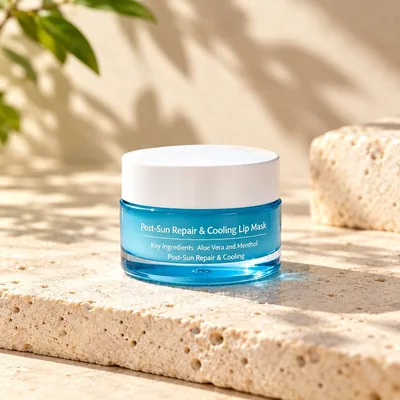
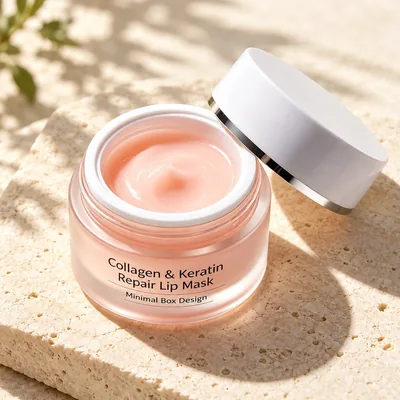
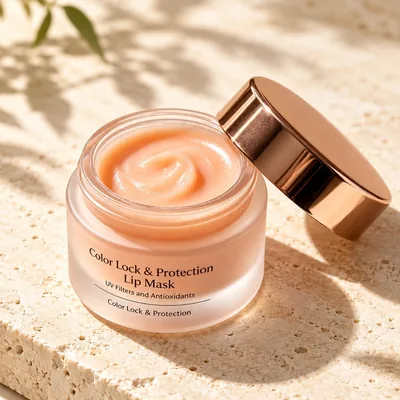
- Choose lip masks from the lip care range: soothing green tea and ginger, after-sun cooling, collagen and keratin, antioxidant color-lock, argan and shea, or hyaluronic plumping shine.
- Brief extra formats such as a lip balm stick, tinted balm or lip scrub through OEM and ODM development.
- Test samples before volume production, approve a digital proof of your artwork, and set label languages for each market.
- Receive documents: products are made to cosmetic GMP (ISO 22716 / GMPC), with batch records, MSDS and COA per batch on request and a full INCI list for your registration.
Ready to compare textures? Request lip mask samples.
Mars product team
Product specialists at Shanghai Mars Cosmetics Co., Ltd., Shanghai. Questions about this article? Contact us.