Formats
Body lotion for dry skin: what makes a good formula and how to private label one
What makes a good body lotion for dry skin: humectants, emollients, lotion vs body cream, sensitive-skin and natural options, and how to private label a range.

A body lotion is a light, water-rich emulsion of water and oils that moisturizes the skin of the body and absorbs quickly. A body cream is the richer cousin, with more oil and a thicker feel. For dry skin, the right body lotion combines ingredients that draw water in with ingredients that hold it there.
This guide explains what makes a good lotion for dry skin, how lotions, creams and butters differ, what “natural” and “non-toxic” really mean on a label, and how a brand can build its own body care range.
What is a body lotion and how is it different from a body cream?
A body lotion is a fluid emulsion with a high water content; a body cream is a thicker emulsion with more oil. Both moisturize, but they suit different skin and seasons.
Texture is mostly a question of the oil-to-water ratio and the thickeners used. The more oil and wax, the richer and slower-absorbing the product. The table below sums up the main body moisturizer formats.
| Format | Texture | Typical pack | Best suited to |
|---|---|---|---|
| Body lotion | Fluid, fast-absorbing | Pump bottle, tube | Daily all-over use, normal to dry skin, warm climates |
| Body cream | Thicker, cushiony | Jar, tube | Dry and very dry skin, winter, rough areas |
| Body butter | Dense, rich, little or no water | Jar | Extra dry skin, night use, elbows and knees |
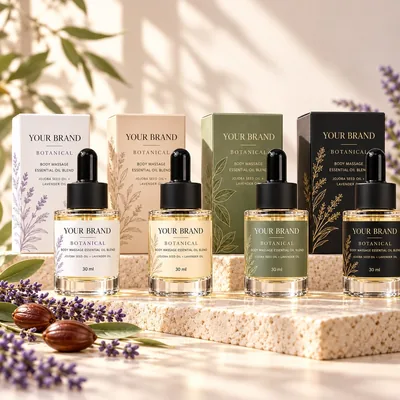
| Body oil | Anhydrous, silky | Dropper or pump bottle | Applying to damp skin, glow, massage |
For a deeper look at the richest format, see our guide to whipped body butter and shea butter.
What makes a good body lotion for dry skin?
A good body lotion for dry skin combines humectants, emollients and a light occlusive so the skin both gains and keeps moisture. Each group has a different job.
- Humectants such as glycerin, hyaluronic acid, urea and panthenol attract water into the outer layer of skin.
- Emollients such as shea butter, squalane, jojoba oil and plant esters soften rough texture and make skin feel smooth.
- Occlusives such as dimethicone, petrolatum alternatives and waxes form a light film that slows water loss.
- Barrier lipids such as ceramides, cholesterol and fatty acids support the skin barrier.
- Soothing ingredients such as colloidal oatmeal, allantoin and panthenol help dry, tight skin feel comfortable.
A moisturizing lotion works best on slightly damp skin straight after a shower, when there is water on the surface for the humectants to hold.
Which lotion suits extremely dry or rough skin?
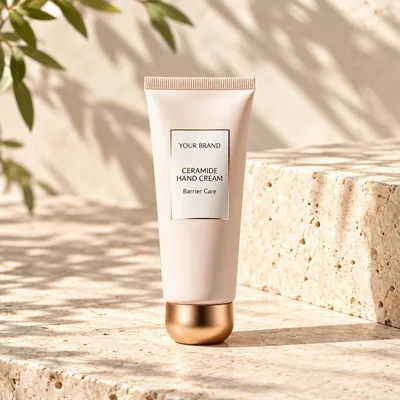
Extremely dry, rough or bumpy skin usually needs a richer body cream with urea, lactic acid or ceramides rather than a light lotion. These ingredients help smooth and soften as well as moisturize.
Urea is both a humectant and a gentle smoother, which makes it a classic choice for rough heels, elbows and shins. Lactic acid is a mild alpha hydroxy acid that helps loosen dry flakes for visibly smoother skin. Colloidal oatmeal is a long-standing comfort ingredient for dry, itchy-feeling skin.
In the Mars catalogue, the Urea Smoothing Body Cream, the Lactic Acid Smoothing Body Lotion and the Oat Nourishing Body Cream cover these needs. Severe dryness that cracks, bleeds or itches persistently is a reason to see a doctor or dermatologist, not just to switch lotions.
What should a lotion for sensitive skin leave out?
A lotion for sensitive skin should keep the formula short and leave out unnecessary fragrance, essential oils and high levels of exfoliating acids. Gentle, well-tested preservation matters more than a “free-from” list.
Fragrance-free versions are the single most useful option for sensitive skin. Oat, panthenol and ceramides are reassuring ingredients for this customer. A neutral, simple pack with a clear INCI list also builds trust.
Natural, organic and “non-toxic” body lotion: what do the words mean?
“Natural” and “non-toxic” are not legally defined for cosmetics in most markets, while “organic” claims usually need to meet a recognized organic standard. Brands should use these words carefully.
A natural body lotion normally means a high share of plant-derived ingredients. An organic body lotion means some ingredients are organically farmed, verified against a standard by an independent body. “Non-toxic” is a marketing word: all cosmetics sold legally must already be safe for their intended use.
The common question “what is the best body lotion without chemicals?” has an honest answer: water, shea butter and glycerin are chemicals too. A better promise is a readable ingredient list and no ingredients the product does not need. Our guide to natural and clean skincare claims explains what can be said safely.
How does a body moisturizer support aging skin?
A body moisturizer for aging skin focuses on hydration, barrier support and a smoother, more even look, since mature skin tends to be drier. It cannot reverse aging, but it can help skin look and feel better.
Niacinamide supports the skin barrier and helps skin tone look more even. Humectants such as hyaluronic acid help skin feel plump and hydrated, and peptides are popular in premium body formulas. The Niacinamide Smoothing Body Lotion is a good starting point for this positioning. A dedicated hyaluronic acid body lotion is not a standard catalogue item, but it can be developed as an ODM project.
Daily sunscreen on exposed areas, such as hands, arms and chest, remains the most useful habit against visible aging.
Do men’s and women’s body lotions really differ?
Men’s and women’s body lotions usually differ in scent, texture and packaging, not in skin chemistry. The underlying formula can often be the same.
Men’s lines tend to use woody, fresh or aromatic scents, faster-absorbing textures that leave no shine, and darker, simpler packs. Women’s lines more often use floral, gourmand or soft musk scents and may offer richer textures. Many brands now sell unisex or fragrance-free versions instead, which keeps the range smaller and broadens appeal.
How to build a body care range around one lotion
A body care range is easiest to build from one hero lotion, then adding formats that share its ingredient story and scent. A clear plan keeps the range coherent.
- Choose the hero: a daily body lotion for dry skin, usually in a pump bottle.
- Add a richer step: a body cream or butter for very dry skin and winter.
- Add a cleanse: a body wash that matches the scent, such as the Niacinamide Body Wash.
- Add a weekly ritual: a scrub or body oil that turns the routine into a moment of care.
- Decide scent strategy early: one signature scent plus a fragrance-free option is a simple, effective structure.
Browse the full body care collection to see which formats fit your line, and read how one brand did it in our direct-to-consumer body care project.
Launching your own body lotion with Mars
Mars helps brands launch a body lotion by starting from established, stability-checked catalogue formulas, then adding the brand’s own label, scent direction and packaging. The process is straightforward.
- Choose a base: pick from the body lotions and body creams in the catalogue, or brief an ODM project for a new texture or ingredient focus.
- Samples first: test textures and scents before volume production.
- Branding: your logo, artwork and label languages, with a digital proof before printing.
- Packaging: pump bottles, tubes or jars to suit the format and channel.
- Documents: full INCI list, MSDS and COA per batch on request, made to cosmetic GMP (ISO 22716 / GMPC) with batch records and stability checks. Standard formulas carry a 3-year shelf life.
Market registration, such as EU CPNP notification or US MoCRA listing, is handled by the brand owner or importer, and Mars supplies the product documents that support it. See our OEM and ODM services or request body lotion samples to get started.
Mars product team
Product specialists at Shanghai Mars Cosmetics Co., Ltd., Shanghai. Questions about this article? Contact us.