Formats
Korean skincare private label: building a K-beauty-style line with a Shanghai supplier
Korean skincare private label explained: K-beauty-style formats brands launch, from essences and sheet masks to overnight lip masks, plus honest origin labels.

Korean skincare private label means launching your own brand of products in the K-beauty style: layered toners and essences, ampoules, sheet masks, hydrogel patches, light creams and overnight lip masks. The style is defined by formats, textures and routine, not by a passport. Mars is a private-label supplier in Shanghai, China, and this guide explains which K-beauty-style formats a brand can build, how to label them honestly, and how to plan the line.
What is Korean-style skincare?
Korean-style skincare is an approach built on gentle, layered hydration and regular masking, with light textures and approachable packaging.
Its signature ideas include the double cleanse, hydrating toners and essences applied in thin layers, concentrated ampoules, and frequent sheet masks. Popular ingredients include centella, rice ferment, hyaluronic acid, niacinamide, green tea and ginseng. The look of the skin it aims for is often described as glowing or “glass skin”: hydrated, smooth and reflective.
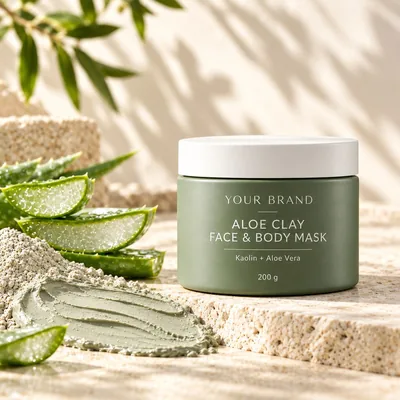
Packaging is part of the style. K-beauty-inspired lines often use soft pastel or clean white bottles, droppers for ampoules, pump bottles for essences, small jars with spatulas for overnight lip and face masks, and colorful printed pouches for sheet masks. Copy tends to be friendly and explains how to layer each step.
A note on origin: style versus “made in Korea”
A K-beauty-style product can be developed anywhere, but its label must show where it was actually made, and the marketing must not suggest a Korean origin if there isn’t one.
Shoppers searching for a skin care manufacturer in Korea or for Korean cosmetics manufacturers sometimes want the origin itself; others want the formats and textures. Be clear which one your brand offers. Products from Mars are made in China. The supplier’s role is to make the formats well and document them; the brand’s role is to describe them truthfully. They can be described as “K-beauty-inspired”, “Korean-style routine” or “glass-skin essence”, but not as Korean products, and flag colors or Korean-language text that imply origin should be avoided. Origin-labeling rules exist in most markets, so check them with your importer.
Honest positioning is also a selling point. Many shoppers care more about texture, ingredients and routine than origin, and a brand that says plainly “K-beauty-inspired, made in China to cosmetic GMP” builds more trust than one that hides it.
The multi-step routine, step by step
The classic routine layers several light products from thinnest to thickest. Each step is a product opportunity for a brand.
- Oil cleanser: dissolves makeup and sunscreen.
- Water-based cleanser: a gentle foam or gel for the second cleanse.
- Toner: rebalances and adds a first layer of hydration.
- Essence: a watery, active-rich layer; the signature K-beauty step.
- Ampoule or serum: a concentrated treatment for one concern.
- Sheet mask: two or three times a week.
- Eye care: cream, serum or hydrogel patches.
- Moisturizer: a light gel cream or richer night cream.
- Sunscreen in the morning, or an overnight mask for lips or face at night.
Our article on choosing a first-cleanse format covers step one in detail.
Toners and essences: the heart of the routine
Toners and essences are thin, watery layers that hydrate and prepare the skin, and they define a Korean-style line more than any other product.
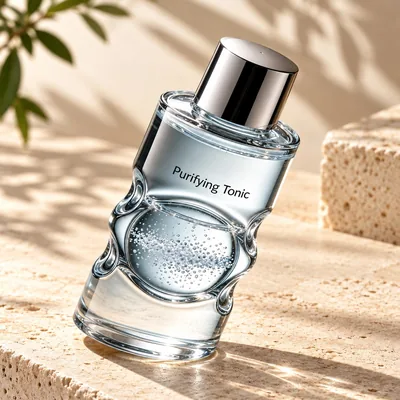
Milky, ferment-based and multi-hyaluronic textures are especially popular. Mars lists a Rice Ferment Milky Toner, a Multi-Hyaluronic Hydra Bounce Toner and a Mango Brightening Essence Toner in its toners and essences range. Packed in 200 ml bottles, they work as the anchor product of a set.
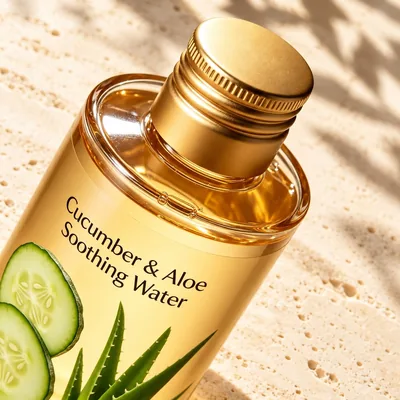
Customers often apply essences with their palms in several thin layers, a habit worth explaining on the label. A soothing water, such as a chamomile or cucumber toner, gives sensitive-skin customers a gentler entry point to the same routine.
Korean face masks: sheet masks and hydrogel
Korean face masks are mostly single-use sheet masks and hydrogel masks soaked in essence, used several times a week as part of the routine.
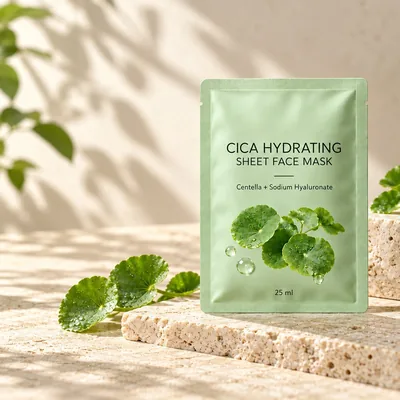
They are among the most searched K-beauty products, easy to sell in multipacks and ideal for sampling. Mars offers the Cica Hydrating Sheet Mask, a Collagen Peptide Hydrating Sheet Mask and the Centella Barrier Hydrogel Face Mask, as well as hydrogel eye patches. A Korean hydrating face mask story usually leads with centella, hyaluronic acid or collagen. Our sheet mask manufacturer guide compares the materials.
Ampoules, serums and Korean-style face creams
Ampoules deliver a concentrated dose of one ingredient, while K-beauty moisturizers tend to be light gel creams by day and richer night creams.
Concentrated ampoule serums with multi-hyaluronic acid, orchid or vitamin C derivatives fit the style naturally, as do calming centella creams and bouncy hydration creams. Mars lists the 24H Multi-Hyaluronic Hydration Cream and a Calming Centella Cream, plus light face lotions that suit customers who want a Korean face lotion texture rather than a heavy cream.
Korean lip masks and lip care
A Korean-style lip mask is a rich overnight lip mask in a small jar, applied before bed and left on overnight. It is one of the most giftable K-beauty formats.
Mars lists six lip masks, including the Hyaluronic Plumping Shine Lip Mask and a Collagen & Keratin Lip Mask, in its lip care range. A Korean lip scrub or lip exfoliator and a lip balm stick are not in the catalogue, but they can be developed as ODM projects to complete a lip set. Read more in our lip balm vs lip mask guide.
How to plan a K-beauty-style skin care line
Start with three to five products around one hero ingredient, then expand. A focused Korean skin care line is easier to explain than a ten-step range.
| Line focus | Starter products | Hero ingredient |
|---|---|---|
| Hydration and glow | Milky toner, hyaluronic ampoule, gel cream, sheet mask | Rice ferment, hyaluronic acid |
| Calming | Calming water, cica sheet mask, centella cream | Centella |
| Masking and self-care | Sheet masks, hydrogel mask, eye patches, lip mask | Collagen, hyaluronic acid |
Sets work especially well for this style because the routine itself is the story: a toner, essence and cream bundle teaches the customer how to layer. Sheet mask multipacks and lip masks add easy repeat purchases and gift options.
For more on set building, see our guide to building a routine set around a hero ingredient.
Launching your K-beauty-style line with Mars
Mars supplies K-beauty-style formats from Shanghai under your own brand, with honest origin labeling and full product documents.
- Choose formulas from the catalogue: toners and essences, ampoules, creams, sheet and hydrogel masks, eye patches and overnight lip masks.
- Develop extras, such as a lip scrub or a new essence texture, through OEM and ODM development.
- Test samples first, then approve a digital proof of your artwork, with label languages for each market.
- Receive documents: products are made to cosmetic GMP (ISO 22716 / GMPC), with batch records, stability checks, MSDS and COA per batch on request and a full INCI list. Registration in your market, such as EU CPNP or US MoCRA listing, is handled by the brand owner or importer using these documents; see our quality page.
To feel the textures yourself, request K-beauty-style samples.
Mars product team
Product specialists at Shanghai Mars Cosmetics Co., Ltd., Shanghai. Questions about this article? Contact us.