Formats
Private label serum lineup: how to plan a face serum range customers actually finish
How to plan a private label serum lineup: the core facial serums to start with, serum vs ampoule formats, packaging choices and how to launch with samples.

A private label serum is a face serum that a supplier has already formulated, tested for stability and documented, which you sell under your own brand with your own packaging. Serums are the step customers research most and the one they are most willing to trade up on, so a well-planned serum lineup is often the heart of a skincare brand. This guide explains how to choose the serums, formats and packs that make a range work.
What is a facial serum?
A facial serum is a lightweight, concentrated treatment step applied after cleansing and toning and before moisturizer. It carries a higher level of a hero ingredient than a cream, in a texture that absorbs quickly.
Most face serums are water-based gels or fluids; some are oil-based or two-phase. Because serums are small, focused products, customers often own two or three and use them for different concerns or times of day. That habit is what makes a serum lineup so valuable for a brand.
What makes a great face serum?
A great face serum has a clear purpose, a pleasant texture and honest claims. Customers decide in the first few uses whether they will finish the bottle.
- One clear job: hydrating, brightening, firming, soothing or clarifying — not all five.
- Recognizable hero ingredient: hyaluronic acid, vitamin C, niacinamide, peptides, salicylic acid or a botanical extract.
- Texture: absorbs without stickiness and sits well under sunscreen and makeup.
- Tolerance: suits the skin type it is sold for.
- Protective pack: keeps the formula fresh until the last drop.
Lists of “top face serums” or “recommended face serums” almost always share these traits. That is the bar a private label serum has to meet.
Which serums should a private label lineup include?
Start with three to five serums that each answer one popular concern, then expand. The table below maps common concerns to hero ingredients and matching Mars catalogue formulas.
| Concern | Hero ingredient | Catalogue example |
|---|---|---|
| Hydration and serums for dry skin | Multi-molecular hyaluronic acid | Multi-Hyaluronic Hydra Bounce Ampoule Serum |
| Brightening | Vitamin C derivative, mango or lotus extract | Vitamin C Radiant Glow Ampoule Serum, Mango Brightening Ampoule Serum |
| Firming and fine lines | Palmitoyl tripeptide-1 and palmitoyl tetrapeptide-7 | Peptide Lifting Ampoule Serum |
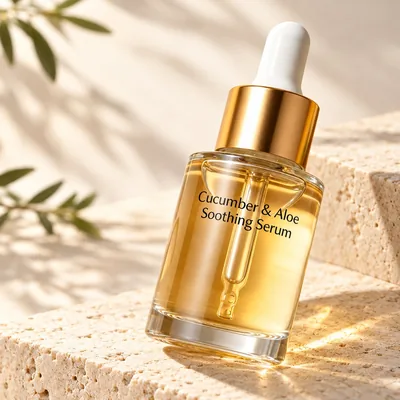
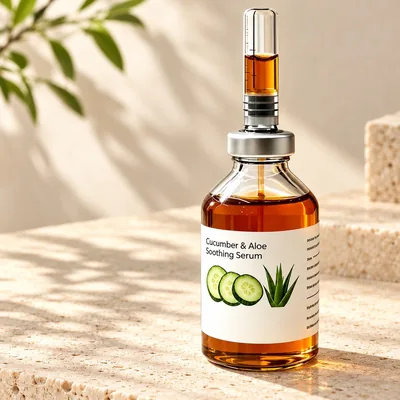
| Soothing and redness-prone skin | Cucumber and aloe | Cucumber & Aloe Soothing Serum |
| Oily and blemish-prone skin | Salicylic acid | Salicylic Acid Purifying Serum |
| Radiance and antioxidant care | Niacinamide (5%) | Radiant Glow Antioxidant Serum |
A good face serum for dry skin
Dry skin is one of the most common reasons people buy a serum, so most lineups lead with hydration. A good face serum for dry skin layers several humectants — multi-molecular hyaluronic acid, glycerin, panthenol — and avoids high levels of alcohol or strong fragrance. It should feel cushiony on application, leave no tight or sticky film, and work under a richer cream in winter. Pair it with a hydrating toner so customers can build a two-step moisture routine.
Add-on serums once the core sells
After the core serums are established, brands often add a second wave: a serum with caffeine for a refreshed look around the eyes, a dedicated eye ampoule, a brightening serum with a botanical story such as turmeric or lotus, or a professional exosome ampoule for spa and clinic customers. Mars already lists a Peptide Concentrate Eye Ampoule and a Turmeric Glow Serum; a caffeine face serum is not in the current catalogue but can be developed as an ODM project. Expanding this way lets real sales data, rather than guesswork, decide which concerns deserve a second product.
For deeper background on two of the most searched heroes, see our guides to the hyaluronic acid serum and the vitamin C serum.
Serum or ampoule: which formats to offer?
Offer serums as the everyday step and ampoules as the intensive or premium step; the two formats can share a hero ingredient and a name. This creates an easy trade-up path.
- Serum: a daily-use texture in a dropper or pump, such as the Orchid Revitalizing Pump Serum.
- Ampoule serum: a more concentrated version of a hero, such as the Orchid Revitalizing Ampoule Serum or the Peptide Lifting Ampoule Serum.
- Single-dose ampoules and vials: professional and course-style formats, used heavily in exosome lines; see lyophilized vs liquid exosome serum.
Pairs like Radiant Lotus Serum and Radiant Lotus Ampoule Serum, or Cucumber & Aloe Soothing Serum and its concentrated ampoule, show how one story can be sold at two levels of intensity.
How to package a private label serum
Choose packaging that protects the formula first and supports the brand second. A beautiful bottle that lets light or air ruin the serum creates complaints.
- Glass dropper bottle: the classic serum look; amber or frosted glass helps protect light-sensitive actives.
- Airless pump: limits air contact and gives a clean, measured dose; good for gels and vitamin C.
- Single-use ampoules or vials: fresh dose every time; suits clinics, spas and intensive courses.
- Outer carton: carries the full INCI list, directions, batch number and your branding in the label languages you need.
Our guide to cosmetic packaging and labels covers label content and artwork in more detail.
How to position each serum
Position each serum by concern, skin type and time of day, so customers can see in seconds which one is for them. Clear navigation sells more than long ingredient stories.
- Name: hero ingredient plus benefit, such as “Peptide Lifting” or “Hydra Bounce”.
- Skin type: state who it suits — dry, oily, sensitive, mature.
- Routine slot: morning, evening or both.
- Pairing: suggest a toner and cream that complete the routine.
- Honest claims: “helps skin feel hydrated”, “visibly brighter-looking”, “smoother-looking”.
Many brands also bundle serums into routine sets or a “serum wardrobe” of a morning and an evening serum, which works well for gifting.
Common mistakes when launching a serum range
The most common mistake is launching too many serums with overlapping claims. Customers cannot tell them apart, and slow sellers tie up stock.
- Launching ten serums when three would cover the main concerns.
- Choosing a pack before checking it suits the formula.
- Making efficacy promises that are not cosmetic claims.
- Skipping sample testing on real skin types and under makeup.
- Forgetting that label languages and registration depend on the target market.
Launching your private label serum line with Mars
Mars helps brands launch a private label serum line by starting from catalogue formulas and handling branding, packaging and documents around them.
- Shortlist formulas from the serums and ampoules and toners and essences ranges.
- Request samples and test them before volume production.
- Brief the packaging: bottle, dropper or pump, carton, logo, artwork and label languages; approve a digital proof before printing.
- Receive documents: full INCI list, MSDS and COA per batch on request, stability checks and batch records; standard formulas carry a 3-year shelf life.
- Plan registration: the brand owner or importer registers the product in each market, supported by Mars’s documents.
Products are made to cosmetic GMP (ISO 22716 / GMPC). For a new texture or hero ingredient, see OEM and ODM development, or request serum samples to start.
Mars product team
Product specialists at Shanghai Mars Cosmetics Co., Ltd., Shanghai. Questions about this article? Contact us.