Formats
Face moisturizer for dry skin: textures, ingredients and building a range for dry, sensitive and mature skin
How to choose a face moisturizer for dry skin: humectants, emollients and occlusives, day vs night cream, gel-cream vs lotion, jar vs airless and private label.

A face moisturizer for dry skin is a cream or lotion that helps the skin attract and hold water and reduces moisture loss through a weakened barrier. Good formulas balance three ingredient groups — humectants, emollients and occlusives — so dry skin feels soft, comfortable and less tight through the day. For a brand, moisturizers are a core repeat-purchase product and the anchor of most routines.
Why does skin feel dry?
Skin feels dry when its outer layer holds too little water and too few lipids, so moisture escapes faster than it is replaced. The result is tightness, flaking, rough patches and fine lines that look more visible.
Common triggers include cold or dry air, indoor heating, hot water, strong cleansers, over-exfoliation and age, because skin produces less oil over time. Cracked skin around the nose or mouth, or dryness that does not improve with a good cream, may signal a skin condition and is worth checking with a dermatologist. A good daily moisturizer works alongside a gentle cleanser; see our gentle face cleanser guide for the first half of the routine.
What should a face moisturizer for dry skin contain?
A skin moisturizer for dry skin should combine water-binding, softening and sealing ingredients. The table shows how each group contributes.
| Ingredient group | Role | Examples |
|---|---|---|
| Humectants | Draw water into the skin’s surface | Hyaluronic acid, glycerin, panthenol, urea |
| Emollients | Soften and smooth rough areas | Squalane, plant oils, shea butter, fatty alcohols |
| Occlusives | Form a light film that slows water loss | Plant butters, waxes, dimethicone |
| Barrier support | Help skin feel stronger and less reactive | Ceramides, ectoin, centella, cholesterol |
| Performance actives | Add a visible benefit beyond hydration | Peptides, bakuchiol, niacinamide, vitamin C derivatives |
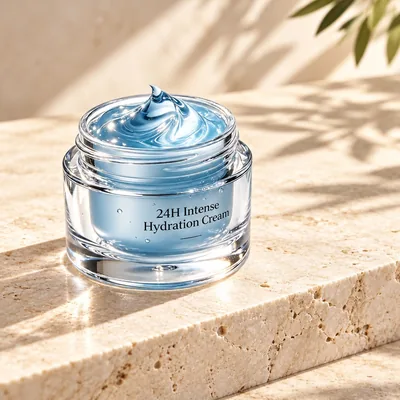
Mars’s 24H Multi-Hyaluronic Hydration Cream is built around multi-molecular hyaluronic acid, while the Hydrating Coconut Rich Cream and the Bird’s Nest Nourishing Cream offer richer, more cushioned textures for very dry skin. Our hyaluronic acid guide explains why humectants work best when sealed in with a cream.
How to choose a moisturizer for sensitive skin
A moisturizer for sensitive skin should be simple, low in fragrance and focused on the barrier. Fewer ingredients make it easier for customers to identify what suits them.
- Choose barrier ingredients such as ceramides, ectoin, centella and panthenol.
- Avoid strong fragrance, high essential oil levels and drying alcohols.
- Keep actives mild; save retinol or acids for a separate product.
Sensitive skin products for the face in the Mars catalogue include the Ectoin Barrier Cream, the Calming Centella Cream and the Centella Calm & Repair Cream. For lighter textures, the Ceramide Glow Veil Lotion uses a triple-ceramide complex. Use cosmetic claims such as “supports the skin barrier” and “helps skin feel calm”; avoid medical language.
Which moisturizer suits mature and older skin?
Mature skin usually needs a richer cream that adds both hydration and a smoothing, firmer-looking finish. As oil production slows, dryness and fine lines become more visible, and many customers look for a cream for forehead creases or frown lines.
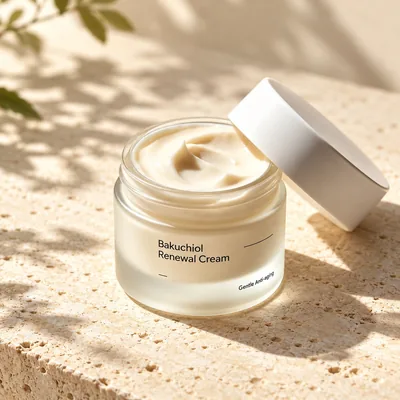
Honest positioning matters here: a cream cannot lift sagging skin or erase lines, but it can make skin look plumper and smoother. Peptides, bakuchiol, NAD+ and PDRN are popular stories. Options include the Copper Peptide Collagen Cream, the Bakuchiol Renewal Cream, the NAD+ Skin Energy Cream and the PDRN (Salmon DNA) Renewal Cream. For older sensitive skin, pair a barrier cream with a separate, gentler renewal product. Our article on peptides, bakuchiol and retinol covers these actives in depth.
Day cream vs night cream
A daytime face moisturizer should be light enough to sit under sunscreen and makeup; a night cream can be richer and carry renewal actives. Many brands offer both so customers can build a complete everyday moisturizer routine.
- Day: quick-absorbing lotions or gel-creams, often with hyaluronic acid, niacinamide or a vitamin C derivative for a glow look.
- Night: richer creams with peptides, bakuchiol or encapsulated retinol, such as the Rose Retinol Night Lotion.
Products with retinol or brightening actives should carry sun-care advice and directions for gradual introduction.
Gel-cream, cream or lotion: which texture?
Texture should match skin type and climate: gel-creams for oily or humid conditions, lotions for normal skin, rich creams for dry and mature skin.
| Texture | Feel | Suits |
|---|---|---|
| Gel-cream | Light, watery, fast-absorbing | Normal to oily skin, hot climates, daytime |
| Lotion | Fluid emulsion, easy to spread | Normal and combination skin, men’s ranges |
| Cream | Medium to rich, cushioning | Dry, sensitive and mature skin |
| Rich cream or balm | Dense, protective | Very dry or cracked skin, cold climates, night |
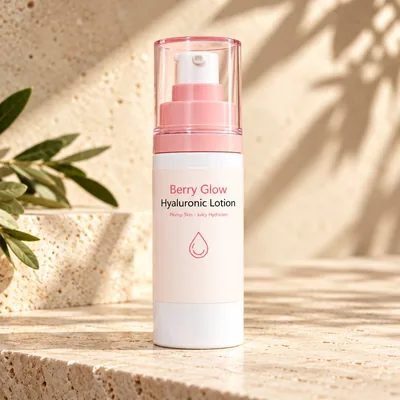
Mars offers both 50 g creams and 100 g lotions across the face creams and lotions category, which makes it straightforward to pair a light day lotion with a richer night cream.
Jar or airless pump?
Airless pumps protect sensitive actives and feel hygienic; jars suit rich creams and premium positioning. Choose the pack after the formula, not before.
- Airless pump: good for vitamin C, retinol and peptide formulas, and for lotions and gel-creams.
- Jar: good for thick creams and balms; add a spatula for hygiene.
- Tube: practical for travel sizes and men’s ranges.
Our guide to cosmetic packaging and labels covers decoration, label space and material choices.
What should brands check before launching a moisturizer?
Before launching a moisturizer, a brand should confirm the texture, stability, claims and packaging compatibility for its target market. These checks prevent most post-launch problems.
- Skin type and climate: a cream that feels perfect in a cold, dry market may feel heavy in a humid one.
- Sensory profile: absorption speed, finish (dewy, satin or matte) and scent should match your customer.
- Stability: emulsions must stay smooth through heat, cold and transport; ask for stability data on the chosen formula.
- Pack compatibility: the formula and container must be checked together, especially with airless pumps.
- Claims: keep them cosmetic — “helps skin feel hydrated”, “visibly smoother”, “supports the skin barrier”.
- Range logic: plan how the moisturizer pairs with your cleanser and serum, and whether a men’s cream or a lighter everyday moisturizer will follow.
Sampling two or three candidate formulas side by side, on the actual skin types you plan to serve, is the quickest way to make these decisions. Ask testers about tightness after a few hours, pilling under sunscreen and how the cream feels on very dry patches such as the cheeks and around the nose. A clear checklist also makes it easier to brief a private label cream manufacturer and to compare samples objectively.
Launching your own moisturizer with Mars
Mars supplies private-label moisturizers from an established catalogue of creams and lotions, so a brand can choose established, stability-checked formulas for dry, sensitive and mature skin. A focused first range might include one hydrating day lotion, one barrier cream and one richer night cream.
Samples come first, so you can test texture and finish. Mars then adapts the artwork with your logo, label languages and pack choice, with a digital proof before printing. Products are made to cosmetic GMP (ISO 22716 / GMPC) with stability checks and batch records; standard formulas carry a 3-year shelf life, and MSDS, COA per batch on request and the full INCI list support your registration. Custom textures are available through OEM and ODM. Request moisturizer samples to begin.
Mars product team
Product specialists at Shanghai Mars Cosmetics Co., Ltd., Shanghai. Questions about this article? Contact us.