Formats
Gentle face cleanser guide: amino-acid, foaming, cream, gel and clay cleansers for every skin type
What makes a gentle face cleanser: amino-acid, foaming, cream, gel and clay formats for sensitive, dry, oily and breakout-prone skin, plus private label tips.

A gentle face cleanser is a rinse-off product that lifts oil, sweat, pollution and product residue from the skin using mild surfactants, without leaving it tight, dry or squeaky. It respects the skin barrier, rinses cleanly and suits daily use morning and night. For a brand, the cleanser is often the first product a customer buys and the one they repurchase most.
What makes a gentle face cleanser?
A cleanser is gentle when its surfactants clean effectively but leave the skin’s own lipids largely in place. Four things decide how a facial cleanser feels after rinsing:
- Surfactant system: amino-acid surfactants (such as glutamates and glycinates), glucosides and betaines are milder than traditional sulfates.
- pH: a skin-friendly, slightly acidic to neutral pH helps skin feel comfortable after washing.
- Conditioning ingredients: glycerin, hyaluronic acid, panthenol, ceramides or plant extracts make a hydrating cleanser or moisturizing cleanser feel soft rather than stripped.
- Fragrance and extras: fragrance-free or lightly scented formulas suit a cleanser for sensitive skin.
A good facial cleanser does not need to foam heavily or feel “squeaky” to work. That squeak is usually a sign that too much oil has been removed.
Which types of face cleanser are there?
Face cleansers fall into five main textures, each suited to different skin types and routines. The table below summarizes how they compare.
| Cleanser type | Texture and feel | Suits | Typical pack |
|---|---|---|---|
| Amino-acid cleanser | Soft cream or gel, fine low-to-medium foam | Sensitive, dry, normal and combination skin | Tube |
| Foaming cleanser | Rich lather, fresh after-feel | Normal, oily and combination skin | Tube or foam pump |
| Cream cleanser | Milky, cushiony, little or no foam | Dry, mature and sensitive skin | Tube or pump bottle |
| Gel cleanser | Clear or translucent, light lather | Oily, combination and breakout-prone skin | Tube or pump bottle |
| Clay cleanser | Creamy paste with kaolin or other clays | Oily skin and visible pores | Tube |
Amino-acid cleansers
Amino-acid cleansers use surfactants derived from amino acids and fatty acids, which clean while keeping skin comfortable. They are the backbone of many sensitive-skin and Asian-inspired ranges. Mars lists several, including the Green Tea Amino Acid Cleanser and the Coconut Amino Acid Hydration Cleanser.
Foaming cleansers
A foaming facial cleanser produces a generous lather that customers associate with freshness. Modern foaming cleansers can still be gentle when the foam comes from mild surfactants; the Rice Ferment Foam Cleanser is an example of this style.
Cream, gel and clay cleansers
Cream cleansers are the comfort option for dry skin. Gel cleansers feel lighter and rinse fast, which makes them a favorite skin cleanser for oily or humid climates. Clay cleansers add kaolin to absorb excess oil, a natural fit for a pore cleanser positioning.
How to choose a cleanser for sensitive skin
A facial cleanser for sensitive skin should be low in fragrance, built on mild surfactants and enriched with soothing ingredients. Look for centella, aloe, cucumber, panthenol, oat or ectoin, and avoid scrubs and high levels of essential oils.
In the Mars catalogue, the Cucumber & Aloe Soothing Cleanser, the Ectoin Anti-Pollution Cleanser and the Calming Cream Cleanser with Plant Beads are natural starting points for a gentle facial cleanser for sensitive skin. Note that even fine plant beads add mild physical exfoliation, so position that format for occasional rather than very reactive skin.
Which face cleanser suits dry skin?
A face cleanser for dry skin should leave a soft, cushioned feel: cream or amino-acid textures with humectants work best. A face wash for a dry face should never leave skin feeling tight five minutes after rinsing.
- Choose low-foam cream cleansers or hydrating gel-creams.
- Include humectants such as hyaluronic acid, glycerin or coconut water.
- Recommend lukewarm water and a moisturizer straight after cleansing.
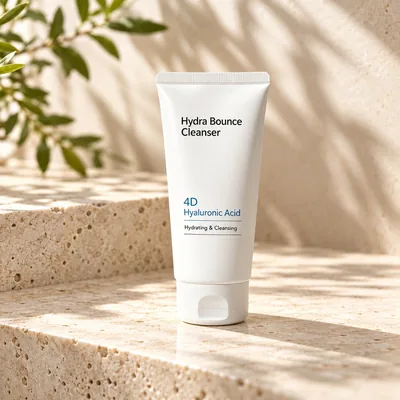
The Mango Amino Acid Cream Cleanser and the 4D Hyaluronic Hydra Bounce Cleanser fit this brief and also suit mature skin, which tends to become drier over time.
Which cleanser suits oily, combination and acne-prone skin?
A gentle skin cleanser for oily skin removes excess sebum without over-stripping, because stripped skin can feel tight and look shinier later. Gel, light foam and clay textures work well here.
For breakout-prone skin, mild cleansers for acne-prone skin often include salicylic acid or its gentler derivative capryloyl salicylic acid (LHA), niacinamide or clay. Keep the wording cosmetic: these cleansers help keep pores clear, reduce the look of shine and leave skin feeling fresh. Persistent or painful acne needs a dermatologist, not a stronger face wash.
Relevant Mars formulas include the Kaolin Clay Oil-Control Cleanser, the Capryloyl Salicylic Exfoliating Face Wash, the 5% Niacinamide Mattifying Cleanser and the Pearl Bead Purifying Gel Cleanser. A cleanser for combination skin can sit between the two groups: a gel or amino-acid formula that is fresh on the T-zone but kind to drier cheeks.
What should a gentle cleanser avoid?
A gentle cleanser avoids anything that strips, scratches or sensitizes: harsh sulfate-only surfactant systems, high alcohol levels, strong fragrance and sharp scrub particles. These are the usual reasons customers describe a face wash as “drying”.
- Very high pH: traditional soap-based washes can leave skin feeling tight.
- Heavy fragrance or essential oils: pleasant in the bottle, but a common source of discomfort for sensitive skin.
- Too many actives: a cleanser is rinsed off in under a minute, so stacking acids, retinoids and scrubs adds irritation risk without much benefit.
- Aggressive claims: words such as “deep detox” or “strips away oil” set the wrong expectation for a daily product.
Customers searching for top rated skin cleansers or a good facial cleanser are usually looking for comfort as much as cleanliness. A product that feels clean, soft and calm after rinsing earns repeat purchases more reliably than one that simply foams the most.
Where does a gentle cleanser fit in a double cleanse?
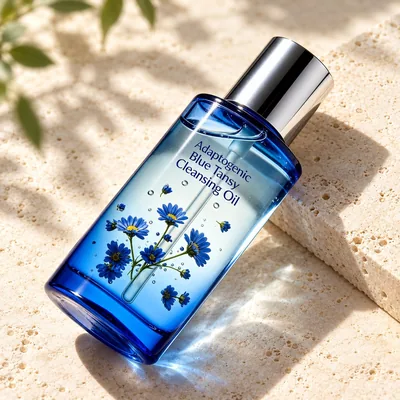
A gentle water-based cleanser is the second step of a double cleanse, after an oil-based cleanser, balm or micellar water has dissolved makeup and sunscreen. The first step melts oil-based residue; the second removes what is left and prepares skin for toner and serum.
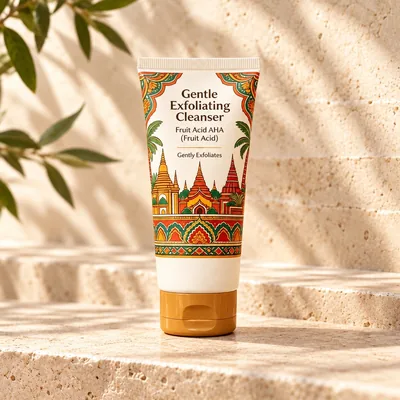
An oil based cleanser on its own can leave a light film for some skin types, which is why the two steps work well as a pair. Our comparison of cleansing oil, balm and micellar water explains the first-cleanse options, and the cleansing oils and balms category shows matching products. For exfoliating cleansers with AHA or salicylic acid, see our guide to chemical and physical exfoliants.
How to build a cleanser range for your brand
A focused cleanser range covers the main skin types with two to four products, each with one clear hero ingredient and one clear customer. When briefing a cleanser manufacturer, decide on these points:
- Skin types: for example one cleanser for sensitive and dry skin, one for oily and combination skin.
- Texture: amino-acid cream, foaming gel or clay, matched to your climate and customer.
- Hero ingredient: green tea, hyaluronic acid, centella, niacinamide or salicylic acid, ideally echoed across your toner and moisturizer.
- Claims: “cleanses without stripping”, “helps keep pores clear”, “leaves skin feeling soft” — cosmetic and easy to support.
- Pack: squeeze tube, pump bottle or foam pump; check the label space for your languages.
Launching your own gentle face cleanser with Mars
Mars supplies private-label cleansers from an established catalogue, so a brand can start from an established, stability-checked gentle face cleanser rather than a blank page. Browse the full facial cleansers category, shortlist two or three textures and request samples to test on your target skin types.
Once a formula is chosen, Mars adapts the artwork with your logo, label languages and packaging choice, and shares a digital proof before printing. Products are made to cosmetic GMP (ISO 22716 / GMPC) with batch records and stability checks, and standard formulas carry a 3-year shelf life. MSDS, COA per batch on request and the full INCI list are supplied to support your market registration. Custom textures or new hero ingredients can be developed through the OEM and ODM service. When you are ready, request cleanser samples.
Mars product team
Product specialists at Shanghai Mars Cosmetics Co., Ltd., Shanghai. Questions about this article? Contact us.