Formats
Scalp serum and scalp scrub: what they can (and can’t) do, and how to private label them
Scalp serum and scalp scrub guide: what they do for a dry or oily scalp, what cosmetics can’t do for hair loss, and how to private label a scalp care line.

A scalp serum is a lightweight, leave-on product applied directly to the scalp, designed to help the skin there feel hydrated, balanced and comfortable. A scalp scrub is its rinse-off partner, lifting flakes, oil and product build-up. Both have become core hair care formats, but they are also surrounded by more exaggerated promises than almost any other category.
This guide explains honestly what scalp products can and cannot do, how a scalp serum and scrub are formulated, and how a brand, salon or clinic can launch its own scalp care line.
What is a scalp serum?
A scalp serum is a water-based or light oil-based leave-on product applied with a dropper or nozzle to the scalp, not the lengths. It is massaged in and left on, usually after washing.
Typical ingredients and their cosmetic roles:
- Niacinamide: helps the scalp feel balanced and less oily.
- Panthenol and glycerin: hydrate and condition the scalp skin.
- Caffeine and peptides: popular “density” positioning ingredients, used for the look of fuller-feeling hair at the roots.
- Rosemary and ginseng extracts: botanical ingredients with a refreshing feel and strong consumer recognition.
- Plant exosome essences: such as hop exosome, used in clinic and salon scalp rituals.
Water-based scalp serums suit oily scalps and fine hair because they don’t weigh roots down; oil-based scalp oils suit a dry, tight-feeling scalp.
Can a scalp serum help with hair loss or hair growth?
No cosmetic scalp serum can halt shedding, make hair grow or restore follicles. Cosmetics are allowed to care for the scalp and improve how hair looks and feels, not to change how hair grows.
This matters because searches such as “hair growth serum for women” or “scalp serum for hair loss” are often made by worried people. Hair loss and thinning can be caused by genetics, hormones, thyroid problems, iron deficiency, stress, illness or medication. The honest answer is:
- Ongoing shedding, a receding hairline or patchy loss needs a doctor, dermatologist or trichologist, who can find the cause and discuss regulated medical options.
- Questions such as “how to repair hair follicles” or “can dead follicles come back” are medical questions; no cosmetic can repair or reopen a follicle.
- What a scalp serum can do is help keep the scalp clean, hydrated and comfortable, and leave hair looking fuller and better cared for.
For brands, this is also a legal point. Products that claim to grow hair or reverse hair loss are regulated as medicines or drugs in most markets. Keep scalp care language cosmetic: “for a balanced, comfortable scalp”, “for thicker-looking hair”, “refreshes the scalp”.
What is a scalp scrub, and how do you exfoliate your scalp?
A scalp scrub is a rinse-off exfoliating product that lifts dead skin flakes, excess oil and dry shampoo or styling residue from the scalp. It is used before or instead of the first shampoo, usually once a week.
There are two ways to exfoliate the scalp:
- Physical scalp exfoliation: fine sugar, salt or soft beads in a cleansing base, massaged in with fingertips. The Rosemary Sugar Scalp Scrub is an example; sugar dissolves as it rinses, so it is easier to wash out than salt.
- Chemical scalp exfoliation: salicylic acid loosens flakes and oil inside the pore opening without grit. The Salicylic Acid Clarifying Scalp Scrub combines both approaches and suits oily scalps and build-up.
To remove dead skin from the scalp at home, section the hair, massage a small amount of scrub onto damp scalp for one to two minutes, then shampoo and rinse thoroughly. Avoid scrubbing irritated, broken or sunburned skin.
An exfoliating shampoo is a gentler daily alternative: a shampoo with a low level of acid or fine particles, aimed at people who want a cleaner-feeling scalp without a separate step.
What oil is good for a dry scalp?
Light, non-greasy oils such as jojoba, squalane, argan and rosemary-infused blends work well for a dry-feeling scalp because they spread easily and shampoo out cleanly. Heavy butters and thick oils are better kept for the lengths.
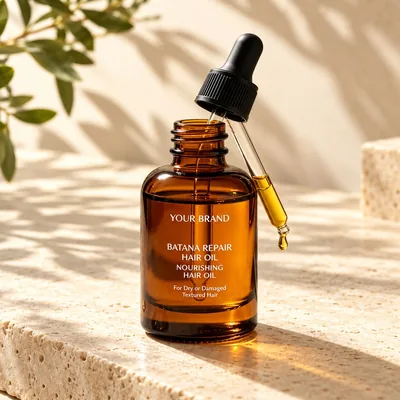
A scalp oil treatment is usually applied before washing: a few drops massaged in, left for 15 to 30 minutes or overnight, then shampooed out. The Rosemary Scalp and Hair Oil fits this pre-wash ritual, while the Batana Repair Hair Oil is better positioned for dry ends.
A dry scalp and dandruff are not the same. Dry scalp tends to give small, fine flakes and a tight feeling; dandruff often gives larger, oilier flakes and itching. Anti-dandruff claims are regulated as medicinal or over-the-counter drug claims in several markets, so a cosmetic scalp line should talk about “flakes”, “build-up” and “a comfortable scalp” instead. Persistent itching, redness or scaling should be seen by a doctor.
Scalp serum, scrub, oil and essence compared
Each scalp format has a distinct job, texture and place in the routine:
| Format | When it is used | Best suited to | Catalogue example |
|---|---|---|---|
| Scalp scrub | Weekly, before shampoo | Build-up, oily scalp, visible flakes | Rosemary Sugar Scalp Scrub |
| Water-based scalp serum | Daily, after washing, left on | Oily or balanced scalp, fine hair | Rosemary & Niacinamide Scalp Serum |
| Density-positioned serum | Daily, massaged into roots | The look of fuller-feeling hair | Peptide & Caffeine Density Scalp Serum |
| Scalp oil | Pre-wash treatment | Dry, tight-feeling scalp | Rosemary Scalp and Hair Oil |
| Exosome scalp essence | Salon or clinic ritual, home course | Professional scalp care programs | Hop Exosome Scalp Essence |
Other options include the Ginseng & Niacinamide Scalp Balance Serum and the Rosemary & Biotin Scalp Serum. For professional channels, the hop exosome scalp essence range comes as a powder-and-liquid kit for treatment rooms.
How to write honest scalp care claims
Honest scalp claims describe how the scalp feels and how the hair looks, never what happens inside the follicle. This keeps a product within cosmetic rules and builds long-term trust.
- Comfortable wording: “refreshes and balances the scalp”, “helps the scalp feel hydrated”, “lifts flakes and build-up”, “for thicker-looking, fuller-feeling hair”.
- Wording to avoid: any promise of hair growth, new hair, reversing thinning, follicle repair or “before and after” hair counts.
- Be careful with reviews: customer testimonials about growth are still claims made by the brand if you repost them.
- Add a referral line: “If you are experiencing ongoing hair loss, please consult a doctor or trichologist.”
How salons and clinics build a scalp routine
A simple, credible scalp routine has three steps: exfoliate weekly, cleanse gently, and apply a leave-on serum. Salons can add a scalp massage service with an oil or exosome essence.
- Scalp scrub once a week to clear build-up.
- Gentle shampoo and conditioner, such as a volumizing or repair pair from our private label shampoo guide.
- Scalp serum daily or every other day on clean scalp.
- Optional in-salon ritual with a scalp oil or exosome essence and massage.
The hop exosome scalp clinic program shows how one clinic group packaged this as a course.
Launching your own scalp care line with Mars
Mars supplies private label scalp serums, scrubs, oils and exosome scalp essences from its hair and scalp care catalogue, with new formulas available through ODM development.
- Catalogue formulas first: pick a scrub, a serum and an oil that tell one story.
- Samples before volume production so stylists and clients can test texture and scent.
- Your branding: logo, artwork and label languages, approved on a digital proof before printing.
- Packaging: dropper bottles, nozzle applicators, jars and tubes.
- Documents: MSDS, COA per batch on request and full INCI list, made to cosmetic GMP (ISO 22716 / GMPC).
- Claim wording: label claims are kept cosmetic; final wording for each market is approved by the brand owner and their regulatory advisor.
Request scalp care samples to start building your range.
Mars product team
Product specialists at Shanghai Mars Cosmetics Co., Ltd., Shanghai. Questions about this article? Contact us.